
Mesa, AZ 85210
8:00 AM - 5:00 PM
Service Center
desertautoworks@gmail.com
Mesa, AZ 85210
8:00 AM - 5:00 PM
Service Center
desertautoworks@gmail.com
Your brakes do a lot more than just stop your car. They keep you, your passengers, and everyone else on the road safe. When something feels off with your braking system, that gut feeling is usually right. Maybe the pedal feels softer than usual. Maybe there is a noise you have not heard before. Either way, getting your brakes checked sooner rather than later is always the smarter move.
At Desert Auto Works, we handle brake service for drivers all across Mesa and the surrounding East Valley. If you need new brake pads, a full brake replacement, or just want someone to take a look and tell you what is going on, we provide reliable auto repair in Mesa, AZ that you can trust.
Most vehicles on the road today use either disc brakes or drum brakes. Some have a combination of both. Disc brakes are typically found on the front axle, while drum brakes show up on the rear in certain models. Each system works a little differently, but the goal is the same, slow the car down safely and consistently.
When you press the brake pedal, brake fluid travels through the master cylinder and pushes against the calipers or drums. That pressure forces the brake pads or shoes against the rotors or drums, creating friction. Friction slows the wheels. Simple concept, but a lot of moving parts have to work together to make it happen. If one component starts to wear down or leak, the whole system can feel sluggish or unreliable.
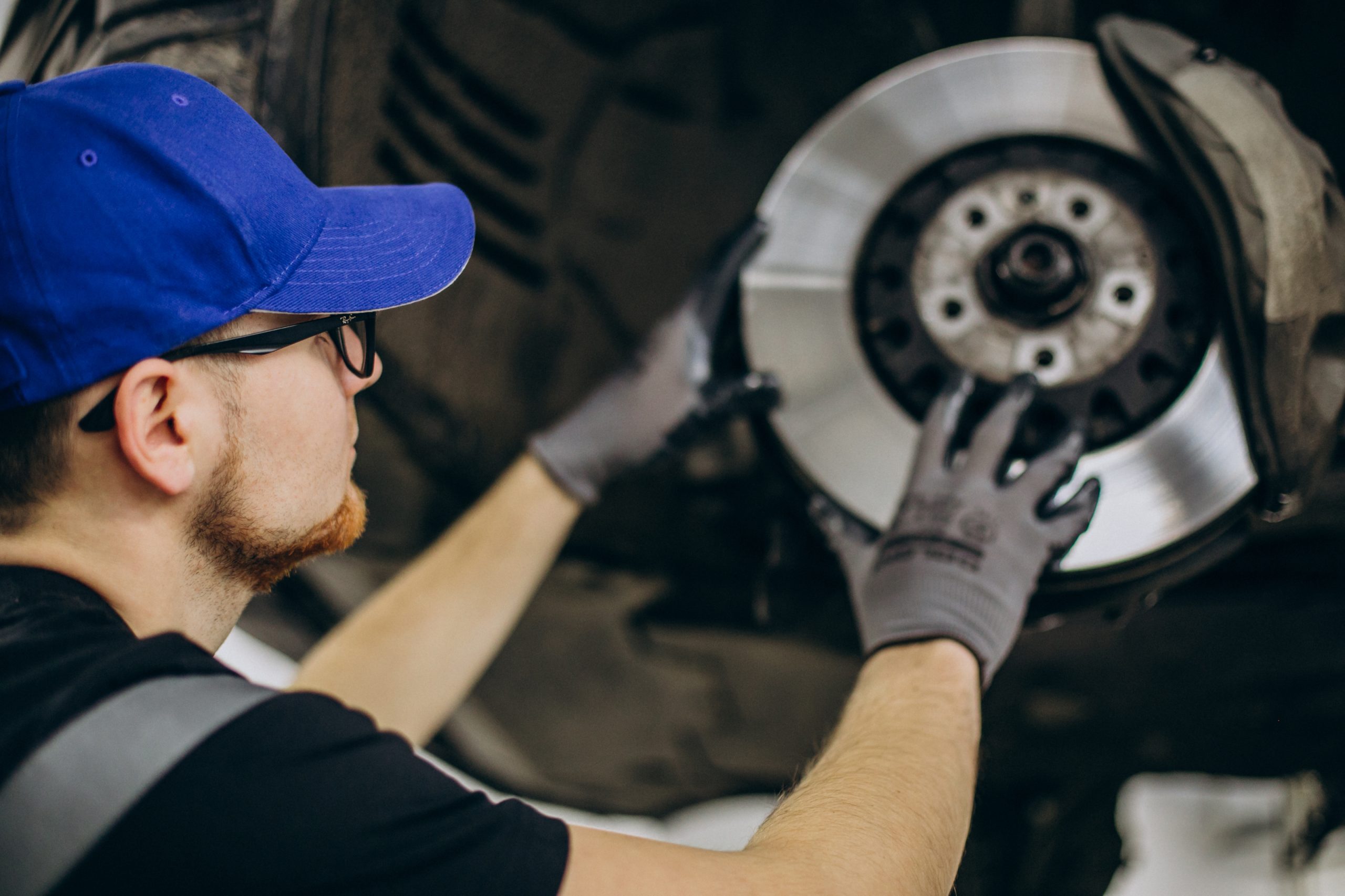
Brakes rarely fail without some kind of heads up. The trick is knowing what to listen and feel for. Here are a few common signs that something might be off:
Any one of these could point to worn brake pads, a rotor surface that needs attention, leaking brake fluid, or other parts that need a closer look. Ignoring them usually means a bigger repair bill down the line.
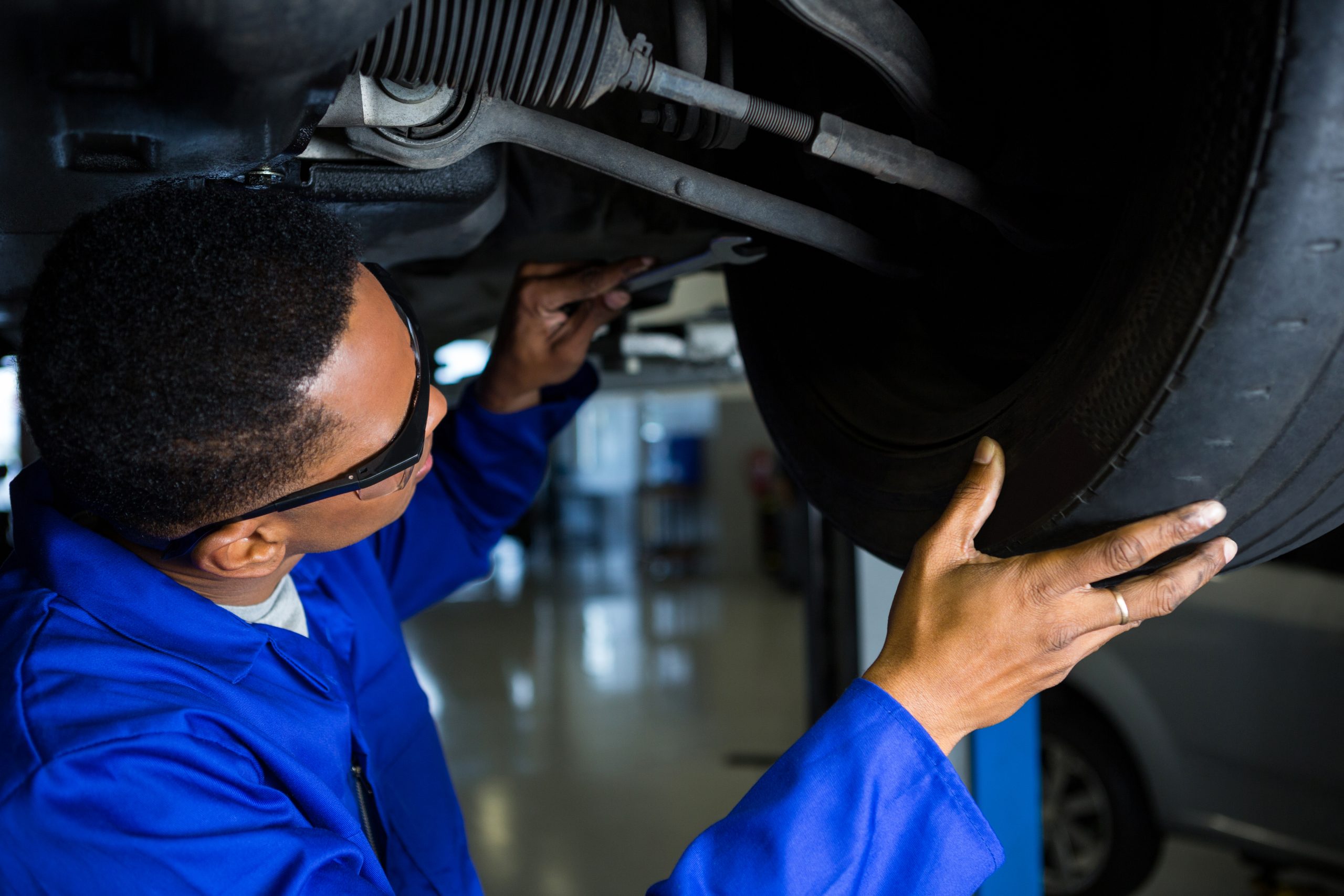
A proper brake inspection covers more than just a quick glance at the pads. The inspection process includes checking the thickness of the brake pads and shoes, looking at the rotors and drums for uneven wear, and making sure the calipers are moving correctly. The brake fluid level and condition get checked too. Old brake fluid can absorb moisture over time, which messes with how the system performs.
We also check the parking brake, the brake lines for any signs of a leak, and the overall condition of each component. If something looks questionable, we explain what we found and give you options. No pressure, no unnecessary upsells. You make the call on how to move forward.
Brake pads wear down over time. That is just how it goes. The friction material grinds away with every stop, and eventually, the pads get too thin to work properly. When worn brake pads are left too long, they can damage the rotors, which turns a straightforward pad swap into a more involved repair.
Rotors can sometimes be salvageable if the wear is not too severe. But if they are warped, grooved, or worn past manufacturer specifications, replacement is the safer route. Quality brake parts and proper adjustments make a real difference in how the car feels when you leave the shop.
The cost of brake replacement depends on a few things. The type of vehicle, the condition of the existing components, and whether you need work on just one axle or both. We give you a clear breakdown before any work starts so you are not guessing at the final number.
Brake fluid does not last forever. Over time, it breaks down and picks up moisture from the air. That moisture lowers the boiling point of the fluid, which can lead to a soft pedal feel or reduced braking power in high heat situations. If you have ever felt like your brakes just were not responding the way they should, contaminated fluid could be the culprit.
Replacing old brake fluid with new fluid that meets your vehicle’s specs is one of those services people tend to overlook, but it makes a real difference in how the system performs. Road conditions in Arizona can be tough on brakes, especially during the hotter months. Keeping the fluid fresh helps everything work the way it should.
How long your brakes last depends partly on the parts themselves and partly on how you drive. Stop and go traffic wears pads faster than highway cruising. Riding the brakes downhill puts extra stress on the rotors. Aggressive driving habits, like hard stops at the last second, shorten the lifespan of just about every brake component.
That said, some wear is unavoidable no matter how careful you are. The goal is to stay ahead of problems before they turn into safety issues. Regular visual inspections, paying attention to how your car feels when you stop, and getting things checked out when something seems off all go a long way.
We treat every customer like family. That is not just a tagline. Our approach is simple, honest assessments, fair pricing, and repairs done right the first time. No guesswork, no pushing services you do not need.
If you are noticing any signs that your brakes might need attention, or if it has just been a while since someone took a look, give us a call at (480) 833-5283. You can also schedule service online if that is easier. We are located at 310 E Southern Ave in Mesa, and we are open Monday through Friday from 8 AM to 5 PM.
Your brakes are not something to put off. Let us take a look and make sure you are stopping safely.
DESERT AUTO WORKS © 2026 All rights reserved
